Manufacturing
Conflict on the floor doesn't stay on the floor.
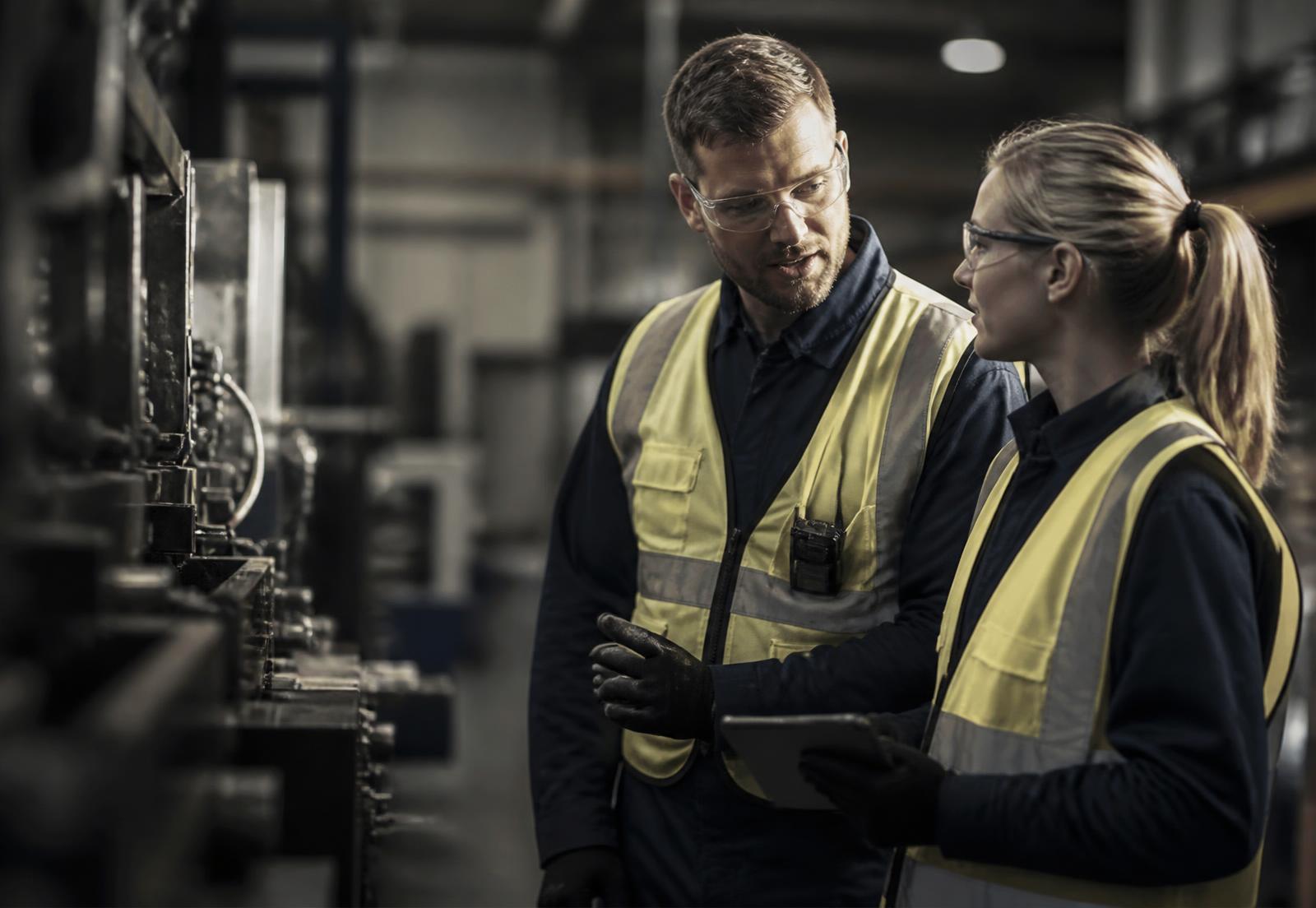
Plants run on shift handoffs, crews and supervisors who have to coordinate under pressure. Conflict Line gives those employees a neutral place to go early.
Where conflict shows up
Unresolved friction becomes downtime, turnover and risk.
Shift handoffs
Two crews that stop communicating pass problems instead of information.
Supervisor relationships
Line leads inherit conflicts they were promoted into, not trained for.
Skilled trades
Machinists, maintenance and welders take months to replace when they walk.
Safety behavior
People who avoid each other stop flagging hazards to each other.
Overtime strain
Fatigue makes small interpersonal friction escalate faster.
Union environments
Early conversation can prevent a grievance that costs everyone time.
HR burden
Plant HR spends its days on situations that started months earlier.
Escalation
Write-ups, investigations and separations are the end of a long story.
How early is prevention?
Prevention has a timestamp.
After the incident?
After the complaint?
After HR gets involved?
Or when an employee first thinks
“Something is going wrong with someone I work with.”
Conflict Line is built for that last one.
Safety culture
Where Conflict Line fits alongside your safety program.
Safety programs focus on prevention, early recognition and reporting. Interpersonal breakdowns quietly undercut all three.
Verbal conflict, exclusion and deteriorating crew relationships often precede the incidents organizations are trying to prevent.
Conflict Line is an additional early-intervention resource within a broader approach to conflict, employee safety and culture. It does not replace your safety or HR programs.
One skilled-trade resignation. One unresolved conflict.
Now compare that with $5 per employee, per month.